In the middle of the coronavirus epidemic, many of us have actually been living in worry of requiring healthcare. For some, it's due to the risk of catching COVID-19 during a medical professional's workplace or medical facility see; for others, it's because of how costly health care is. Nowadays, all it takes is one surprise medical costs to send a patient into personal bankruptcy.
In fact, the greater rates suggest the U.S. spends more on health care than other "industrialized nations," a 2019 Johns Hopkins report found. What's more, practically one in three Americans stresses over affording healthcare, according to a February 2020 study from NBC News. (Simply recently, a male who was hospitalized with COVID-19 for 62 days got a $1.
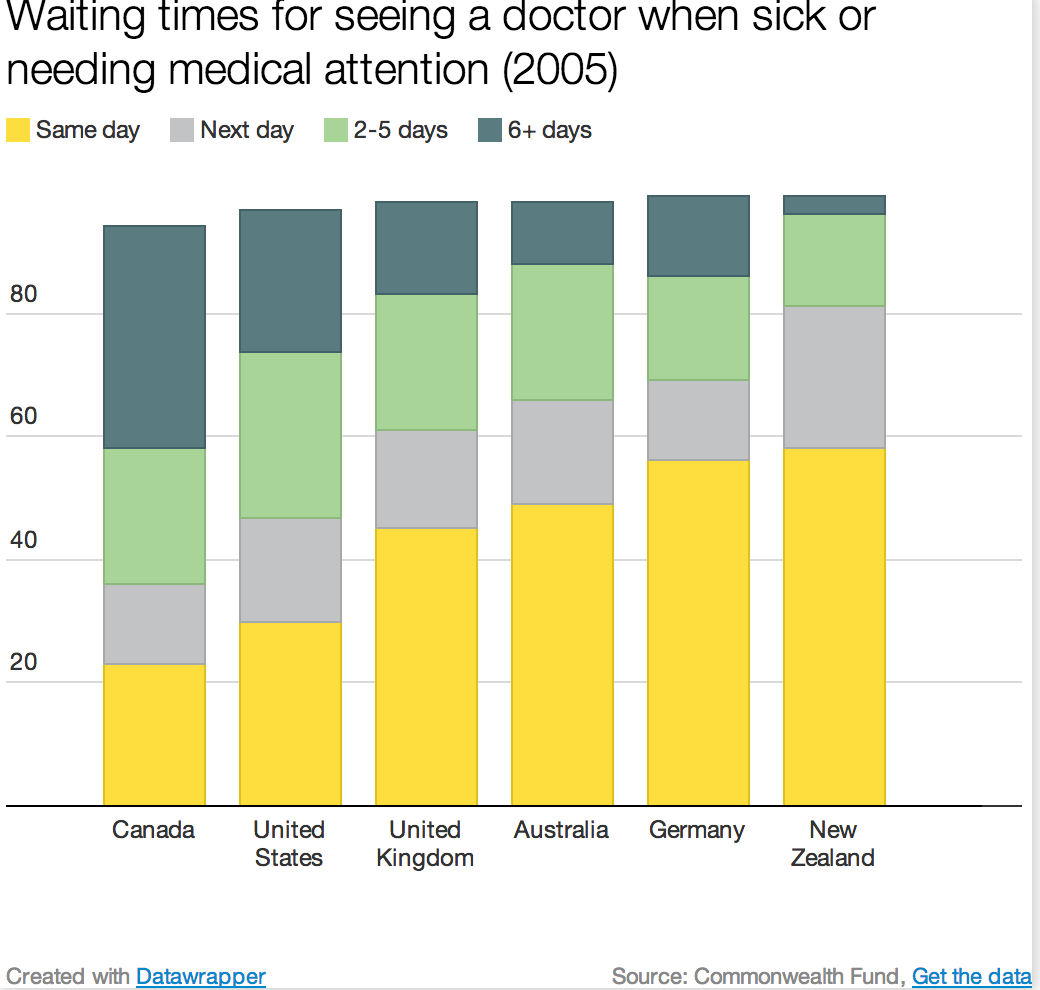
so expensive? Health insurance coverage costs? Government policy or absence thereof? The pharmaceutical market? TMRW spoken with experts on different elements of the health care system who indicated 5 total factors. The most significant factor is that U.S. health care is based upon a "for-profit insurance system," one of the only ones on the planet, according to Carmen Balber, executive director of Customer Watchdog, who's promoted for reform in the health-insurance market.
On the other hand, "great deals of other nations have some component of personal something, however there is that standard understanding that health care is a right, not a benefit," Balber said. The underlying intention to earn money has a ripple result that increases rates, she continued. For example, insurance coverage companies invest an "massive quantity of money on utilization evaluation," the process that identifies whether a medical service is covered under a provided plan, including that the Mental Health Facility objective is "to not pay consumers for the care they believed they were insured for." Likewise, Dr.
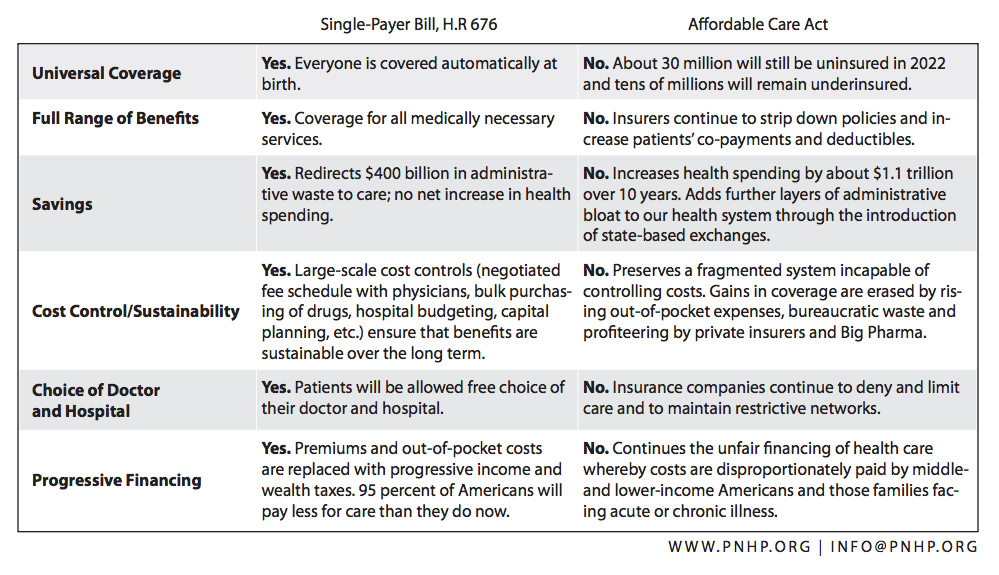
paying for somebody else's underpayment, whether they like it or not," he stated. "Everyone is attempting to figure out who else can pay for it instead of them." Benjamin called out the complex and fragmented structure of U.S. health care from billing to care delivery which can unnecessarily extend administrative processes and increase overhead.
2% of healthcare expenses in the U.S., twice the percentage in Canada, which has a decentralized, openly financed system. Another example: Medicare, the nation's national medical insurance program for Americans 65 and older, has much lower administrative expenses, in between 1. 1 and 7%." Medicare ... is drastically less expensive, because we don't invest a great deal of time trying to deny individuals the care they need," Balber said.
Things about What Is Home Health Care
healthcare exists in a system where patients are charged based on the services they receive, yet another reason that "almost whatever is more costly here," Dr. Harlan Krumholz, cardiologist and teacher of health policy at Yale School of Medication, told TMRW." We have greater usage of a great deal of different services," he explained.
It remains in the financial interest of the health center, the doctor, the health care system when they're being paid fee-for-service, and the reason is that more is better." As an outcome, there's lower usage of medical care, Benjamin stated, since the fee-for-service design "encourages overutilization."" Instead of taking individuals in a space, analyzing them, taking the history and spending the time speaking to patients, we .. western societies:..
" We're quick to leap to getting the FELINE scan and diagnostic test when a history and physical test would tell you the answer. how to qualify for home health care." Balber argued that fee-for-service develops a "perverse reward" to offer more procedures, rather of assisting clients get healthier so that the country as a whole needs fewer procedures.
also spends less than other nations on social support group and long-lasting care, Benjamin included. This is maybe the most tough factor to disentangle, however the main point is this: The companies that provide and charge for health care, like hospital systems and drug makers, have more power to keep expenses high when they're negotiating with multiple prospective payers, like numerous personal insurance provider.
For example, a recent research study found that private insurance provider paid almost two and a half times what Medicare would've paid for the same medical service at the same facility. To make matters more costly, the U.S. government doesn't regulate what many companies in the healthcare space can charge for their services, whether it's insurance, drugs or care itself." It's a really poignant argument right now, when you can indicate business that are developing COVID vaccines with federal government money, and they're going to charge us a fortune for their vaccine," Balber added.
health care system itself might be fragmented, in numerous parts of the nation, there's just one or more companies providing health insurance or medical care. This implies that, again, there's little to no reward for them to reduce costs since patients don't have much of a choice." We keep approving a growing number of mergers that raise expenses significantly," Balber stated.
The 5-Second Trick For Which Type Of Health Care Facility Employs The Most People In The U.s.?
and after that earnings intention is streamlined all the way to your primary-care medical professional." What's more, health care suppliers are paid, typically, much more in the U.S. than in other countries, both Benjamin and Krumholz stressed." Despite the huge cost that we have in America for healthcare, we don't get the very same worth of our health care dollar as other countries do," Benjamin added.
Increasingly more insurance companies are disclosing at least some worked out rates to members who sign up with their websites. Make the most of that function if your health strategy offers it, specifically for things you can prepare in advance, such as imaging tests. In a current experiment, people scheduled for CT scans or MRIs were called and outlined less expensive alternatives of equivalent quality; they wound up conserving participating insurers approximately $220 per scanand prompted more pricey providers to cut their rates.
CalPERS, which buys health insurance for 1. 3 million California state workers and retirees, set a referral price of $30,000 for routine Continue reading hip and knee replacements after discovering it was paying as much as $110,000 for those treatments. In the very first year, savings averaged $7,000 per patientand numerous high-cost health centers suddenly found that they, too, might offer $30,000 joint replacements.
You can save about 20 percent on premiums by signing up with a strategy that has fewer suppliers than customary. Providers offer the insurance provider a rate break in exchange for less competitors - how is canadian health care funded. However before signing on, make sure that the network consists of the medical professionals, healthcare facilities, laboratories, and other services you need within a reasonable distance from your house and that they accept new clients.
Great deals of individuals assume that their living costs will drop significantly in retirement. However lots of elders in https://zenwriting.net/tharta1pe8/175-a-jared-augenstein-et-al-manatt-updated-june-26-2020 fact discover that their living expenses mostly stay the same or perhaps increase. While there are different reasons for this trend, the ever-climbing expense of healthcare is a huge contributor. The average healthy 65-year-old couple retiring this year is expected to invest a massive $387,644 on healthcare in retirement, according to brand-new price quotes by HealthView Services, a cost-projection software company.